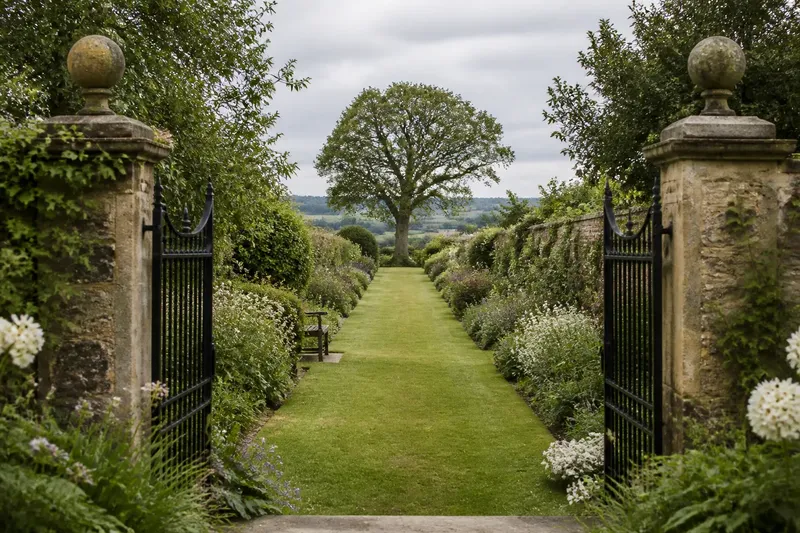
A First Visit to a Walled Garden in Late Autumn
A first visit to a walled garden in late autumn is easier to enjoy with a gentle route for noticing sheltered corners, fading colour and seasonal change.
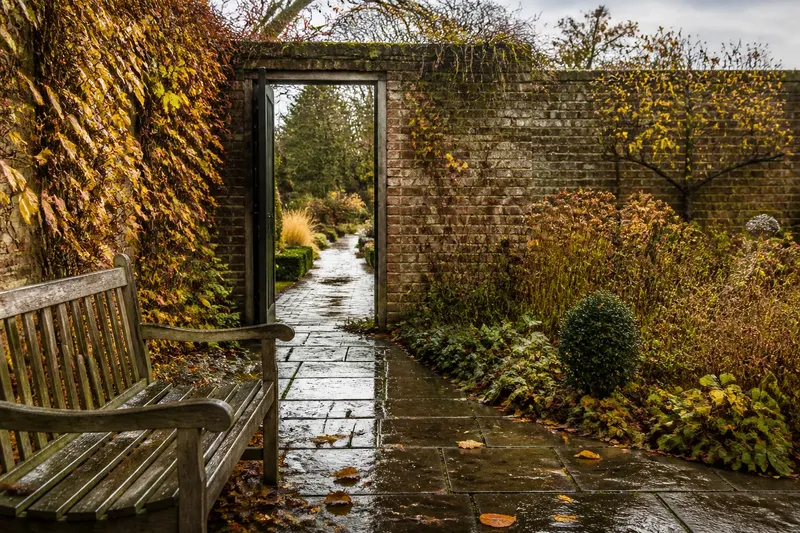
The common mistake on a first visit to a walled garden in late autumn is to look for summer in the flower beds. That can make the garden seem finished, when its walls, sheltered corners and fading foliage are still changing the experience of the place. A simple plan for a first visit to a walled garden in late autumn is to choose how closely you want to look, then let the season set the pace.
Choose a visit style that suits your attention
A walled garden offers more than one kind of visit. You might take a slow circuit, settle in one sheltered area, or follow a short route that alternates between open and enclosed spaces. None is the correct way; the best choice depends on your energy, the weather and what you want to notice.
Take a slow circuit
A circuit suits visitors who like to get a sense of the whole garden before pausing. Follow the paths around the perimeter or between the main beds, and notice how the walls change the feel of each side. One stretch may catch a breeze, while a corner feels still and holds the last leaves on a shrub.
Resist the urge to cover every path. If something catches your eye, stop, look closely, then continue. This approach is especially helpful when you are unfamiliar with the layout and want a broad impression without turning the visit into a hunt for named plants.
Stay with one sheltered corner
Choose this approach if you prefer a quieter visit or the weather makes wandering less appealing. Look for a bench, a sunny wall, a doorway or a sheltered bed. Notice what is growing there, what has already faded and what the walls keep out or hold in.
This is not a lesser version of a full walk. Staying in one place lets small changes come into view: a leaf shifting in a light breeze, seed heads catching the low sun, or damp stone darkening after rain. Keep your attention on the garden rather than trying to identify everything.
Link open and enclosed spaces
A short, contrasting route suits visitors who want to feel how the garden’s boundaries shape it. Walk from an exposed path towards a sheltered bed, or from a shaded passage into a brighter space. Pause at the transition and notice whether the air, light and sound seem different.
This option works well if you have limited time or enjoy comparing places. It can also help you decide where to spend longer: perhaps among the late flowers, beside a warm wall or in a quiet corner with a view back across the beds.
Let the walls explain the season
A wall is more than a boundary. It can shelter plants from wind, provide a surface for climbing growth and make a small patch of sun feel distinct from the surrounding path. In late autumn, look for these effects without assuming every sheltered space will look lush. A bare stretch of brick, a clipped edge or a bed of fading stems can be part of the garden’s seasonal character.
Notice the differences between sides and corners. A wall facing the sun may feel brighter or warmer than a shaded passage, while a doorway can channel a draft into an otherwise calm space. If there are espaliered trees or trained climbers, observe how their shapes sit against the masonry; you do not need to know the variety to appreciate the pattern of branches and leaves.
Imagine you arrive after a night of rain and have only a short time. You choose a sheltered bench, then compare the damp stone behind it with the brighter path beyond the gate. The expected result is not a particular discovery, but a clear sense of how the wall and weather alter the places you encounter.
Look for colour that is changing, not simply disappearing
Late-autumn colour is often quieter than a summer display. Instead of searching only for blooms, notice the range of tones in fallen leaves, seed heads, bark, berries and evergreen foliage. A muted bed may still have strong contrasts: a dark evergreen against pale stems, or rust-coloured leaves beside stone.
Try looking at the same bed from different distances. From the path, you may see a broad patch of gold or brown; closer in, the texture of a seed head or the outline of a leaf becomes more distinct. If the garden is busy, step aside rather than leaning into beds or blocking a narrow path.
It is not worth the effort to turn the visit into a plant-identification exercise. A phone photograph of every label or an attempt to name each fading flower can pull attention away from the garden itself. If a plant genuinely interests you, note its name and look it up later.
Prepare for a comfortable, unhurried walk
Check the garden’s opening information before setting out, since seasonal hours and access arrangements can change. Wear shoes with a grip suitable for damp paths, and bring a layer you can adjust when moving between exposed and sheltered areas. A small notebook is useful if you want to record observations without relying on your phone.
- Check the opening information; if the garden is open and the route you want is available, go ahead, but if hours or access have changed, adjust your plan or contact the venue.
- Look at the weather and your footwear; if paths are likely to be damp and your shoes have grip, take the planned walk, but if not, choose a shorter accessible route or postpone.
- Check for a sheltered stopping place; if you can see a bench or protected corner, keep it as a pause point, but if none is available, plan to keep moving rather than linger in an exposed spot.
- Notice where the light falls; if a wall or bed is bright and comfortable, pause there, but if it is shaded or exposed to a draught, move to a more sheltered place.
- Check whether you need a record of a particular detail; if one view or plant interests you, take a single photograph or note its label, but if not, leave the phone away and keep looking.
- Check signs and path conditions as you walk; if a path is open and safe to use, continue, but if it is closed or slippery, follow the marked alternative and stay out of beds.
Keep the plan flexible. If a path is slippery or a corner is closed, choose another place to observe; the visit can still offer a sense of how enclosure and season work together. For access needs, check the venue’s information in advance and contact its staff if you need details that are not provided.
What should you notice on a first visit?
Are walled gardens still interesting after the flowers fade?
Yes. Walls, branches, seed heads and remaining leaves give the garden structure even when few flowers remain. Look at how light and shelter vary from one part of the space to another.
How long should you spend there?
Choose a visit length that allows a pause without making you rush. A short circuit or a stay in one corner can be satisfying if you give your attention to what is in front of you.
What should you bring?
Comfortable shoes and an adjustable outer layer are usually more useful than special equipment. A notebook or phone can help you remember a detail, but neither is necessary for a thoughtful visit.
Should you follow a map?
Use one if it helps you find entrances, facilities or a particular area, but do not let it dictate every turn. A loose route leaves room to notice sheltered spaces that may not stand out on a plan.
Choose your route by the kind of noticing you want
For a first visit to a walled garden in late autumn, choose the slow circuit if you want an overall impression, one sheltered corner if you want quiet observation, or a linked route if comparing exposed and protected spaces appeals to you. Begin with that choice, then change it if the weather or your interest points elsewhere.
Before you leave, take one last look back from the gate or path. The view may reveal a pattern you missed while walking through it: a line of bare branches against a wall, or a pocket of colour held close to the stone. Carry that small observation with you; it is often a better keepsake than a full record of everything the garden contains.